Phonemic awareness is a critical component of early literacy development, playing a crucial role in a child's ability to read and write. This article delves into the concept of phonemic awareness, its definition, and the distinction between phonemic and phonological awareness. We'll explore various examples of phonemic awareness tasks, the relationship between phonemic awareness and phonics, and the engaging ways to practice these skills through games and activities.
Moreover, we'll discuss effective assessment techniques, the connection between phonemic awareness and phonological sensitivity, and research-based strategies for teaching this essential skill. Finally, we'll explore phonemic awareness interventions, the progression of phonemic awareness skills, and the contributions of the Phonics World initiative in Indonesia.
Introduction to Phonemic Awareness
Definition and Meaning of Phonemic Awareness
Phonemic awareness is the ability to identify, manipulate, and understand the individual sounds, or phonemes, that make up spoken words. It is a crucial precursor to reading and writing, as it allows children to grasp the relationship between the spoken and written language. Phonemic awareness is often considered the foundation for successful literacy development, as it enables learners to decode and encode words effectively.
In the context of literacy, phonemic awareness involves the recognition that spoken words are composed of a sequence of individual sounds. This understanding allows children to identify, isolate, blend, segment, and manipulate these sounds, which are the building blocks of language. Developing strong phonemic awareness skills is essential for young learners as they begin to make the connection between the sounds they hear and the letters they see on the page.
The importance of phonemic awareness in early childhood education cannot be overstated. Children who possess well-developed phonemic awareness skills are better equipped to acquire and master the fundamental reading and writing skills necessary for academic success. By understanding the relationship between sounds and letters, they can more easily decode unfamiliar words, spell correctly, and engage in more advanced literacy activities.
Distinction Between Phonemic and Phonological Awareness
While phonemic awareness and phonological awareness are closely related, it is important to understand the distinction between the two concepts.
Phonological awareness is a broader term that encompasses the understanding of various sound structures within language, including syllables, rhymes, and phonemes. It involves the ability to recognize, identify, and manipulate these different sound units. Phonological awareness is a more comprehensive skill that lays the foundation for the development of phonemic awareness.
On the other hand, phonemic awareness is a specific subset of phonological awareness, focusing solely on the individual sounds, or phonemes, that make up spoken words. It requires the ability to identify, isolate, and manipulate these individual sounds, which is a crucial step in learning to read and write.
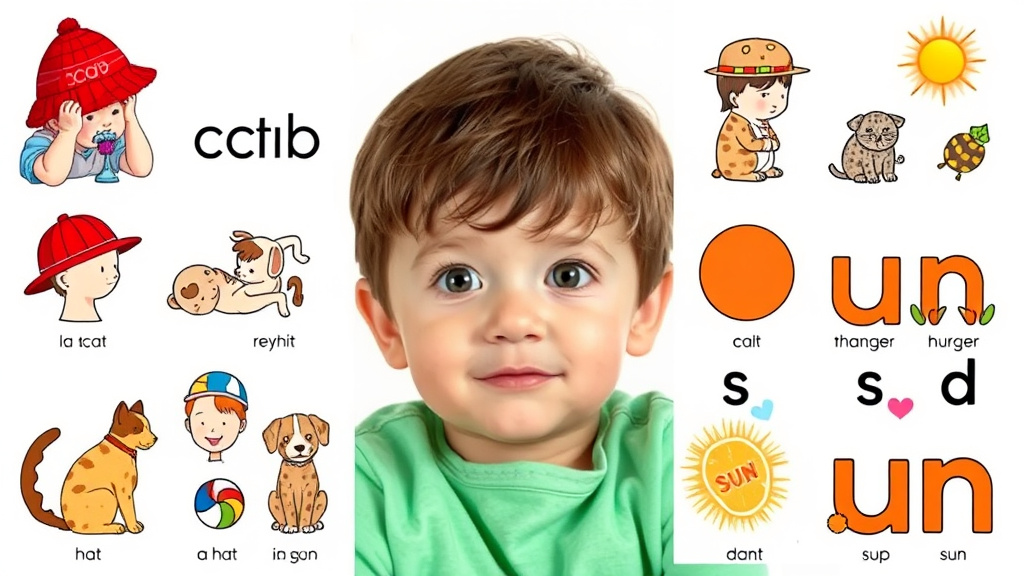
For example, recognizing that the word "cat" is made up of three sounds (c-a-t) is an example of phonemic awareness. In contrast, identifying that the word "dog" rhymes with "frog" or that the word "computer" has three syllables (com-pu-ter) is an example of phonological awareness.
While phonological awareness is a broader skill, the development of phonemic awareness is particularly important for children as they begin to make the connection between the sounds they hear and the letters they see in written language. Mastering phonemic awareness is a key milestone in the journey towards becoming a skilled reader and writer.
Phonemic Awareness Examples
Types of Phonemic Awareness Tasks
Phonemic awareness encompasses a range of tasks that allow children to identify, manipulate, and work with the individual sounds that make up spoken words. These tasks can include:
- Phoneme Identification: The ability to recognize and identify the first, last, or middle sound in a word.
- Example: What is the first sound in the word "sun"? (The answer is /s/.)
- Phoneme Isolation: The ability to isolate and recognize individual sounds within a word.
- Example: What is the last sound in the word "cat"? (The answer is /t/.)
- Phoneme Blending: The ability to combine individual sounds to form a complete word.
- Example: What word do these sounds make: /c/ /a/ /t/? (The answer is "cat".)
- Phoneme Segmentation: The ability to break a word into its individual sounds.
- Example: What are the three sounds in the word "dog"? (The answer is /d/ /o/ /g/.)
- Phoneme Manipulation: The ability to add, delete, or substitute sounds within a word to create a new word.
- Example: What word do you have if you change the /s/ in "sun" to /m/? (The answer is "mun".)
These phonemic awareness tasks can be incorporated into various educational settings, from early childhood classrooms to targeted intervention programs. By engaging in these activities, children develop a stronger understanding of the foundational sounds that make up language, which in turn supports their reading and writing development.
Real-Life Applications of Phonemic Awareness
The development of phonemic awareness has a profound impact on a child's overall language and literacy skills. In real-life settings, the ability to identify, manipulate, and work with individual sounds plays a crucial role in several areas:
Reading Development: Phonemic awareness is a strong predictor of a child's success in learning to read. When children can recognize and manipulate the sounds within words, they are better equipped to decode unfamiliar words, recognize patterns, and make connections between spoken and written language.
Spelling and Writing: Phonemic awareness is essential for the development of accurate spelling and writing skills. By understanding the relationship between sounds and letters, children can more effectively encode words and express their ideas in written form.
Vocabulary Acquisition: The ability to break down words into their individual sounds can help children recognize and remember new vocabulary more effectively. Phonemic awareness supports the development of word recognition and understanding.
Oral Language Skills: Phonemic awareness contributes to a child's overall language proficiency, including their ability to articulate sounds, rhyme, and engage in verbal communication. This, in turn, supports the development of stronger listening and speaking skills.
Academic Achievement: Strong phonemic awareness skills are strongly correlated with academic success across various subjects. Children who possess well-developed phonemic awareness tend to perform better in reading, writing, and other language-based tasks throughout their educational journey.
By recognizing the real-world applications of phonemic awareness, educators and parents can prioritize the development of this essential skill and provide targeted support to ensure children's overall language and literacy growth.
Phonemic Awareness vs Phonics

Understanding Phonics
Phonics is a method of teaching reading and spelling that emphasizes the relationship between letters (or letter combinations) and their corresponding sounds. It involves the explicit instruction of these letter-sound connections, helping children decode and encode words through the systematic application of phonics rules.
While phonemic awareness focuses on the understanding and manipulation of individual sounds, phonics instruction builds upon this foundation by teaching children how to apply this knowledge to the written language. Phonics instruction helps children connect the sounds they have learned to the letters and letter patterns they see in words, enabling them to read and spell more effectively.
The key distinction between phonemic awareness and phonics is that phonemic awareness is a precursor skill, while phonics is the direct instruction and application of the letter-sound relationships. Phonemic awareness lays the groundwork for phonics instruction, as it allows children to better understand and manipulate the sounds that will then be explicitly linked to letters and letter combinations.
Differences in Focus
Phonemic Awareness and Phonics have distinct areas of focus, although they work together to support overall literacy development.
Phonemic awareness primarily concentrates on the recognition and manipulation of individual sounds (phonemes) within spoken words. The goal is for children to develop an understanding of how words are composed of these individual sound units and to be able to isolate, blend, segment, and manipulate them.
In contrast, phonics instruction focuses on the explicit teaching of the relationships between letters (or letter combinations) and their corresponding sounds. Phonics helps children apply their phonemic awareness skills to the written language, enabling them to decode unfamiliar words and spell words accurately.
While phonemic awareness is a foundational skill that precedes phonics, both are essential components of a comprehensive literacy program. Effective reading and writing instruction typically involves a balanced approach that integrates phonemic awareness and phonics, allowing children to develop a deep understanding of the connections between spoken and written language.
By mastering phonemic awareness and then applying that knowledge through systematic phonics instruction, children are better equipped to become successful, fluent readers and writers. The interplay between these two crucial skills is instrumental in supporting children's overall literacy development.
Engaging with Phonemic Awareness Games
Fun Activities to Enhance Phonemic Skills
Engaging children in phonemic awareness activities through games and interactive experiences can be a highly effective way to develop this essential skill. By making learning fun and engaging, educators and parents can foster children's interest and motivation while also supporting their phonemic awareness development.
One example of a engaging phonemic awareness activity is "What's That Sound?" In this game, the teacher or parent says a word and then asks the child to identify the first, middle, or last sound in the word. Children can take turns providing the sounds or even coming up with their own words for their peers to analyze.
Another popular phonemic awareness game is "Rhyming Pairs", where children are presented with pairs of words and asked to determine whether they rhyme or not. This task helps children develop their ability to recognize and manipulate the sounds within words, which is a key component of phonemic awareness.
"Sound Substitution" is another fun activity that challenges children to swap out individual sounds within words to create new words. For example, a child might be asked to change the /s/ in "sun" to /m/, resulting in the new word "mun". This game encourages children to actively manipulate phonemes, strengthening their phonemic awareness skills.
Through these types of engaging, interactive games, children can practice and develop their phonemic awareness in a way that is both enjoyable and educational. By making learning fun, educators and parents can foster a love of language and support the essential foundations of literacy development.
Digital Resources and Tools
In addition to traditional, hands-on phonemic awareness games and activities, the digital age has also provided a wealth of resources and tools to engage children in this crucial skill.
Online Platforms and Apps: There are numerous digital platforms and mobile applications dedicated to enhancing phonemic awareness skills. These interactive tools often feature engaging, game-like experiences that allow children to practice identifying, segmenting, blending, and manipulating sounds. Examples include "Phonics Tic Tac Toe", "Chicken Coop", and "Phonemic Awareness Zap".
Educational Websites: Many educational websites offer a wide range of phonemic awareness resources, including interactive lessons, printable worksheets, and assessment tools. These websites often provide comprehensive, standards-aligned materials that can be used in classroom settings or at home. Some popular examples include "ReadingRockets.org", "ABCkidzone.com", and "Starfall.com".
Virtual Lessons and Tutorials: With the rise of remote and hybrid learning, there are now various virtual lessons and tutorials available that focus on developing phonemic awareness skills. These resources, often in the form of videos or live-streamed sessions, can be particularly beneficial for children who may need additional support or practice in this area.
The integration of technology in phonemic awareness instruction can offer several advantages, such as increased engagement, personalized learning experiences, and the ability to track progress over time. By leveraging digital resources and tools, educators and parents can create a more dynamic and interactive learning environment that supports the development of this essential literacy skill.
Assessing Phonemic Awareness
Effective Assessment Techniques
Assessing phonemic awareness is a crucial step in understanding a child's literacy development and identifying areas that may require additional support. Educators can employ a variety of assessment techniques to evaluate a student's phonemic awareness skills accurately.
Informal Observation: One effective assessment method is through informal observation of a child's performance during classroom activities and discussions. By closely monitoring a child's ability to recognize, identify, and manipulate sounds, educators can gain valuable insights into their phonemic awareness development.
Standardized Assessments: Formal, standardized assessments designed to measure phonemic awareness can also be utilized. These assessments, such as the Phonological Awareness Literacy Screening (PALS) or the Dynamic Indicators of Basic Early Literacy Skills (DIBELS), provide a more structured and comprehensive evaluation of a child's phonemic awareness skills.
Diagnostic Interviews: One-on-one diagnostic interviews with students can be an insightful way to assess phonemic awareness. During these interviews, educators can pose targeted questions and tasks to gauge a child's understanding and ability to work with individual sounds.
Portfolio-Based Assessments: Collecting and analyzing a child's work samples, such as writing samples or phonemic awareness-related activities, can provide a more comprehensive understanding of their progress and areas for improvement.
By employing a combination of these assessment techniques, educators can gain a well-rounded understanding of a child's phonemic awareness skills, identifying their strengths, weaknesses, and the specific areas that may require targeted instruction or intervention.
Phonemic Awareness Assessment PDF
Phonemic awareness assessments can be found in various formats, including printable PDF documents that can be easily accessed and utilized by educators and parents. These assessment tools often include a range of activities and tasks designed to measure a child's ability to identify, isolate, blend, segment, and manipulate individual sounds within words.
Typical components of a phonemic awareness assessment PDF may include:
- Phoneme Identification: Items that assess a child's ability to recognize the first, last, or middle sound in a word.
- Phoneme Isolation: Tasks that require the child to isolate and identify a specific sound within a given word.
- Phoneme Blending: Activities that challenge the child to blend individual sounds to form a complete word.
- Phoneme Segmentation: Items that ask the child to break a word into its constituent sounds.
- Phoneme Manipulation: Tasks that involve adding, deleting, or substituting sounds within a word to create a new word.
These assessment tools often provide clear scoring rubrics and benchmarks, allowing educators to accurately measure a child's phonemic awareness skills and identify areas that may require additional support or targeted instruction.
By accessing and utilizing these readily available phonemic awareness assessment PDFs, educators and parents can gain valuable insights into a child's progress and tailor their instructional approaches accordingly. This information can be instrumental in ensuring that children receive the necessary support to develop strong phonemic awareness skills, which are foundational for successful literacy development.
Phonemic Awareness and Phonological Sensitivity
Linking Concepts
Phonemic awareness and phonological sensitivity are closely related, yet distinct, concepts in the realm of literacy development. While phonemic awareness focuses on the individual sounds (phonemes) within words, phonological sensitivity encompasses a broader understanding of the sound structure of language.
Phonological sensitivity refers to the ability to recognize, identify, and manipulate various sound units, including syllables, rhymes, and phonemes. This overarching skill lays the groundwork for the development of more specific phonemic awareness abilities.
The connection between these two concepts is that phonemic awareness is a crucial component of phonological sensitivity. Children who possess well-developed phonemic awareness skills, which involve the understanding and manipulation of individual sounds, are better equipped to recognize and work with the broader sound structures within language.
This relationship is particularly important in the context of reading and writing instruction. As children progress in their literacy development, their phonological sensitivity, including their phonemic awareness, allows them to make stronger connections between the sounds they hear and the letters they see on the page. This understanding supports their ability to decode unfamiliar words, spell accurately, and engage in more advanced literacy tasks.
By fostering phonological sensitivity, which encompasses phonemic awareness, educators can help children build a strong foundation for successful reading and writing acquisition.
Developing Sensitivity Through Practice
Enhancing phonological sensitivity, including phonemic awareness, requires consistent practice and engagement with a variety of sound-based activities and tasks.
One effective strategy is to provide children with frequent opportunities to engage in phonological awareness games and exercises. These can include activities that focus on identifying and manipulating syllables, rhymes, and individual sounds within words. By repeatedly engaging in these types of activities, children develop a deeper understanding of the sound structure of language, which supports the development of phonemic awareness skills.
Additionally, incorporating phonological awareness into daily classroom routines and read-aloud experiences can be highly beneficial. For example, teachers can encourage children to identify the beginning sounds in their names or the rhyming words in a storybook. These regular, purposeful interactions with language sounds help children become more attuned to the nuances of spoken language.
Furthermore, explicit instruction in phonological awareness, including targeted lessons on phonemic awareness, can be a powerful way to develop this crucial skill. By providing direct teaching and opportunities for guided practice, educators can ensure that children acquire the necessary knowledge and strategies to manipulate language sounds effectively.
By engaging children in a variety of phonological awareness activities and experiences, educators and parents can foster the development of this overarching skill, which in turn supports the growth of more specific phonemic awareness abilities. This holistic approach to sound-based literacy instruction lays a strong foundation for children's reading, writing, and overall language proficiency.
Strategies for Teaching Phonemic Awareness
Research-Based Approaches
Effective phonemic awareness instruction is grounded in research-based approaches that have been proven to be successful in supporting children's literacy development. These strategies often involve avariety of engaging methods that promote sound recognition and manipulation in a playful manner.
One research-backed approach is the use of explicit instruction, which involves direct teaching of phonemic awareness skills in a systematic way. This method allows educators to break down complex tasks into manageable steps, helping children grasp the nuances of sound manipulation. For instance, a teacher might first model how to isolate the initial sounds in words before guiding students through practice activities. Such structured lessons can significantly enhance children's understanding and proficiency in working with phonemes.
Another effective strategy is the integration of multi-sensory techniques into phonemic awareness instruction. These techniques engage various senses and learning modalities, making the learning experience more interactive and enjoyable. For example, teachers might use visual aids, such as letter tiles or sound cards, paired with auditory exercises where students listen to sounds and match them to the corresponding letters. Incorporating movement, like clapping or tapping while saying syllables, further reinforces the learning process. Multi-sensory approaches cater to diverse learners, ensuring that all students have opportunities to succeed in developing their phonemic awareness skills.
Tailoring Instruction to Individual Needs
Recognizing that each child learns differently is essential for effective phonemic awareness instruction. Differentiation in teaching practices allows educators to meet the unique needs of individual students and accommodate various learning styles. Some children may thrive with verbal instructions, while others might benefit from hands-on activities or visual representations.
Educators can assess students’ skills through informal observations or formal assessments to identify their current levels of phonemic awareness. Once this information is gathered, instruction can be tailored accordingly. For instance, students who struggle with isolating sounds may need additional practice with targeted activities, whereas those who have a solid grasp might be challenged with more complex tasks, such as phoneme manipulation or blending sounds to form new words.
Incorporating flexible grouping strategies can also facilitate differentiated instruction. Small group sessions tailored to specific needs allow teachers to provide focused support, fostering collaboration among peers. By creating an inclusive classroom environment where varied instructional strategies are employed, educators can empower all children to build upon their phonemic awareness skills effectively.
Phonemic Awareness Interventions
Identifying Students in Need of Support
Identifying students who require additional support in phonemic awareness is critical to fostering their literacy development. Various signs may indicate challenges in this area, including difficulty recognizing rhymes, trouble segmenting words into sounds, or struggling with spelling. Teachers should remain vigilant and observant, monitoring student progress during both formal and informal assessments.
When a child's phonemic awareness appears to lag behind their peers, early intervention becomes vital. Educators can implement screening tools and assessment strategies to pinpoint specific areas of difficulty. It is essential to create an open dialogue with parents as well, as they can provide valuable insights regarding their child's language experiences outside the classroom, contributing to a comprehensive understanding of the student's strengths and needs.
Once students requiring support are identified, educators can develop tailored intervention plans targeting specific phonemic awareness skills. Implementing small group interventions or one-on-one sessions provides the opportunity for focused instruction, allowing educators to employ individualized strategies that resonate with each learner.
Intervention Programs and Resources
Numerous intervention programs and resources are available to assist educators and parents in promoting phonemic awareness skills among struggling learners. These programs typically include structured activities designed to enhance various aspects of phonemic awareness, such as sound identification, segmentation, blending, and manipulation.
One noteworthy resource is the use of scripted phonemic awareness curricula that provide step-by-step guidance for instructors. These curricula often come with comprehensive lesson plans and materials, enabling teachers to implement effective instruction with ease. Many programs incorporate engaging games and activities, ensuring that learning remains enjoyable and motivating for children.
Additionally, digital tools and applications have emerged as valuable intervention resources. Various online platforms offer phonemic awareness activities and games that can be played independently or with guidance from educators or parents. These tech-savvy solutions appeal to today's learners, facilitating skill development in an interactive context.
By leveraging these intervention programs and resources, educators can support at-risk students in building essential phonemic awareness skills, ultimately empowering them on their journey toward literacy proficiency.
Phonemic Awareness Skills in Order of Difficulty
Progression of Skills
Understanding the progression of phonemic awareness skills from easiest to most complex is crucial for educators seeking to implement effective instruction. Beginning with foundational skills ensures that students have the necessary building blocks to master more advanced tasks.
At the earliest stages, children typically start with awareness of syllables and rhymes. Engaging in activities that involve clapping out syllables or identifying rhyming pairs lays the groundwork for subsequent phonemic tasks. Once students demonstrate proficiency at this level, educators can introduce more challenging skills involving phonemes, such as recognizing, isolating, and blending individual sounds within words.
As children advance, they can tackle even more intricate phonemic awareness tasks, including segmenting sounds and manipulating phonemes to generate new words. This gradual progression allows students to develop confidence in their abilities while honing their skills. Through consistent practice and reinforcement, educators can effectively guide learners from basic phonemic awareness competencies to mastery.
Guidance for Educators on Pacing Instruction
Pacing instruction appropriately is integral to maximizing student engagement and comprehension. Educators should consider the varying rates at which students develop phonemic awareness skills and adjust their instruction accordingly. Regularly assessing student progress will help inform future lessons and adapt pacing as needed.
For example, if a majority of students grasp basic sound identification quickly, educators can move forward to more advanced tasks. Conversely, if several students are struggling, it may be beneficial to revisit foundational concepts and provide additional practice before progressing further. Building a responsive classroom environment fosters a culture of learning where students feel supported and encouraged to grow at their own pace.
Phonics World Indonesia
An Overview of Phonics World Initiative
Phonics World Indonesia is an initiative dedicated to enhancing literacy education by integrating phonics and phonemic awareness into the curriculum. This program recognizes the significance of these foundational skills in developing proficient readers and writers. With a focus on providing high-quality literacy instruction, Phonics World aims to equip educators with the tools and knowledge necessary to foster literacy growth among students.
The initiative emphasizes the importance of a structured approach to phonics, combining instruction in letter-sound relationships with engaging phonemic awareness activities. This dual focus helps students make meaningful connections between sounds and letters, ultimately supporting their reading and writing development. Phonics World provides training and resources for educators, ensuring that they can effectively implement evidence-based practices in their classrooms.
Contributions to Literacy Education
Phonics World Indonesia has made a substantial impact on the educational landscape by collaborating with local schools and communities. Through partnerships with teachers and educators, the initiative promotes literacy-centered methodologies that prioritize phonemic awareness and phonics as critical components of literacy development.
Furthermore, Phonics World actively advocates for parental involvement in the literacy process. By equipping families with strategies and resources to support their children's literacy journeys at home, the initiative contributes to a more holistic approach to literacy education. The collaborative efforts between educators and parents foster a supportive learning environment that nurtures children's phonemic awareness and overall language skills.
As a result, the Phonics World initiative not only enhances academic outcomes but also cultivates a community-wide commitment to prioritizing literacy education. Through its efforts, the program underscores the importance of fostering phonemic awareness and phonics skills as a pathway to developing fluent, confident readers.
Conclusion
In summary, understanding phonemic awareness is essential for fostering literacy development in early childhood education. This key component serves as the foundation for successful reading and writing acquisition, highlighting the need for effective instruction, assessment, and intervention. By distinguishing between phonemic awareness and related concepts like phonological awareness and phonics, educators can develop comprehensive approaches that address the diverse needs of learners.
Through engaging games and activities, teachers can enhance phonemic awareness skills while making the learning process fun and interactive. Furthermore, continuous assessment and targeted interventions ensure that struggling students receive the support they need to thrive.
As we continue to recognize the importance of phonemic awareness in literacy education, there is a collective responsibility to prioritize these skills in teaching practices. Educators, parents, and stakeholders must work collaboratively to create a rich literacy environment that nurtures children's phonemic awareness, ultimately paving the way for their success as proficient readers and communicators.