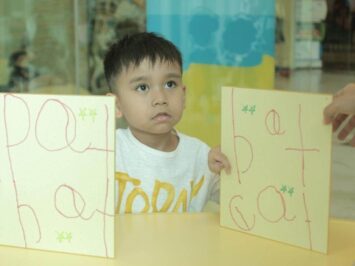
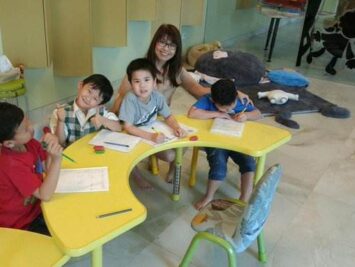
Phonics is a method of teaching reading and writing by developing a child's ability to recognize and identify the sounds associated with individual letters or groups of letters. It is an essential component of early literacy instruction and serves as the foundation for a child's future reading and writing skills. In this article, we will explore the importance of phonics for kindergarteners, how it can be taught effectively, and provide tips and advice for parents and educators.
The Importance of Phonics for Kindergarteners
The first few years of a child's life are critical for their cognitive development, particularly in the area of language and literacy. Research has shown that children who are exposed to phonics instruction at a young age have a higher likelihood of becoming proficient readers and writers later in life. Phonics helps children to develop strong phonemic awareness, which is the ability to hear, identify, and manipulate individual sounds in words. This skill is crucial for learning to read and write, as it allows children to understand how letters represent sounds and form words.
Phonics also helps children to decode unfamiliar words and build their vocabulary. By learning the connections between sounds and letters, children can sound out words they have never seen before and make sense of their meanings. This is a fundamental skill that will serve them well throughout their academic careers and beyond.
How to Teach Phonics to Kindergarteners
Effective phonics instruction should be systematic, explicit, and interactive. It should also be tailored to suit the individual needs of each child. Here are six outlines to help you teach phonics to kindergarteners:
1. Create an Interactive Learning Environment
Children learn best when they are actively engaged in the learning process. Therefore, it is essential to create a fun and interactive environment when teaching phonics. Use songs, games, and hands-on activities to make learning enjoyable and memorable. For example, you can create a letter matching game where children have to find objects in the classroom that start with the same sound as a particular letter. This will help them to make connections between sounds and letters while having fun.
2. Teach Letter Sounds First
Before teaching children how to read and write words, it is crucial to teach them the individual sounds associated with each letter. This can be done through songs, rhymes, and visual aids such as flashcards or alphabet charts. Children should be encouraged to say the sound of each letter out loud and associate it with an object that starts with that sound. For example, A is for apple, B is for ball, C is for cat, etc.
3. Use a Multisensory Approach
Children learn best when multiple senses are engaged. Therefore, it is essential to incorporate different sensory experiences when teaching phonics. This could include using manipulatives such as blocks or playdough to form letters, tracing letters in sand or shaving cream, or using movement to represent different sounds. These multisensory experiences help to reinforce learning and make it more meaningful for young learners.
4. Introduce Sight Words
While phonics is critical for decoding words, it is equally important to introduce sight words to kindergarteners. Sight words are common words that are not easily decoded using phonetic rules. These words, such as "the," "and," or "to," are often encountered frequently in texts and are essential for building fluency in reading. Make flashcards with sight words and use games to help children memorize them.
5. Provide Opportunities for Practice
Practice makes perfect, and this is especially true when it comes to learning phonics. Provide children with plenty of opportunities to practice their new skills by reading books, writing words and sentences, and engaging in activities that reinforce their phonics knowledge. Regular practice also helps to build confidence and reinforces the connection between sounds and letters.
6. Encourage Reading and Writing at Home
Phonics instruction should not be limited to the classroom. Parents play a vital role in reinforcing learning at home. Encourage parents to read with their children, point out letters and sounds in everyday objects, and provide opportunities for them to practice writing words and sentences. This will help to solidify their understanding of phonics and foster a love for reading and writing.
How to Use Phonics for Kindergarteners
Here are a few ways to incorporate phonics into your daily routine:
- Read alphabet books or books with repetitive sounds to your child.
- Play letter and sound matching games.
- Use magnetic letters or letter tiles to build words.
- Write messages on the fridge using magnetic letters.
- Encourage your child to sound out words they see in everyday situations, such as signs or labels.
Examples of Phonics for Kindergarteners
Here are a few examples of how phonics can be taught in a kindergarten classroom:
- The teacher writes a simple word on the board, such as "cat," and asks students to identify the individual sounds in the word. They are then encouraged to write the word themselves, using letter cards or magnetic letters.
- During circle time, the teacher sings a song about the letter "B," and children are invited to think of words that start with that sound.
- In small groups, students use letter tiles to build words and manipulate the sounds to create new words.
- The class reads a book together, and the teacher pauses to ask students to identify words they know based on their knowledge of letter sounds.
Comparisons for Phonics in Kindergarteners
There are various methods of teaching reading and writing to young children, but phonics has been proven to be the most effective. Compared to other approaches, phonics provides children with the tools they need to decode words on their own and build their vocabulary. Other methods may teach children to memorize words or rely on picture cues, which can limit their reading abilities in the long run.
Advice for Teaching Phonics to Kindergarteners
Here are some tips for parents and educators when teaching phonics to kindergarteners:
- Be patient and provide plenty of positive reinforcement.
- Make learning fun and interactive.
- Tailor instruction to suit the individual needs of each child.
- Use a multisensory approach to engage multiple senses.
- Encourage children to practice regularly at home.
- Monitor progress and make adjustments as needed.
FAQs about Phonics for Kindergarteners
Q: When should I start teaching my child phonics?
A: It is recommended to start teaching phonics to kindergarteners between the ages of 3-5 years old. However, every child develops at their own pace, so it is essential to tailor instruction based on your child's readiness.
Q: How long does it take for a child to learn phonics?
A: This varies from child to child, but typically it takes about 1-2 years for children to become proficient in phonics.
Q: Do I need to be a trained teacher to teach phonics?
A: No, anyone can teach phonics to young children. The key is to have patience and use a variety of engaging activities to reinforce learning.
Q: How can I tell if my child is struggling with phonics?
A: If your child is having difficulty recognizing individual sounds or blending them together to form words, they may need additional support. Talk to their teacher or consider seeking outside help from a tutor.
Q: Can I still read to my child even if they are learning phonics?
A: Absolutely! Reading to your child is essential for building their vocabulary and fostering a love for reading. Encourage them to use their phonics skills to decode words they encounter in the book.
Conclusion
Phonics is an essential foundation for developing a child's literacy skills. By teaching children to recognize and manipulate individual sounds, they can become proficient readers and writers with a broad vocabulary. With patience, practice, and a multisensory approach, phonics can be taught effectively to kindergarteners, setting them up for future academic success.