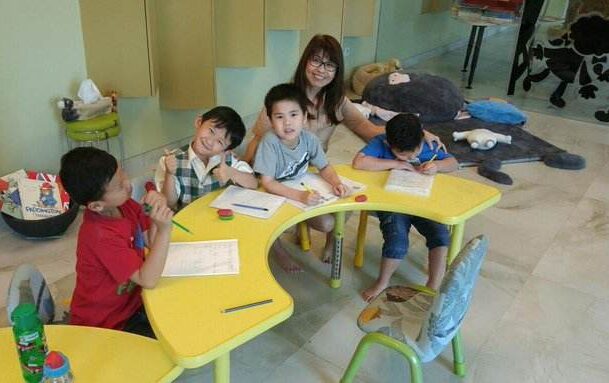
Phonics education is an essential aspect of teaching early reading skills. It is the process of teaching children the relationship between sounds and letters. By learning phonics, children can decode words and understand the meaning of what they read. Phonics teaching is a critical part of the reading process because it helps children develop reading fluency and comprehension. A good phonics program can provide a solid foundation for literacy development.
The Importance of Phonics Education
Phonics education is essential because it teaches children the building blocks of reading. When children learn phonics, they learn how to read and write words by decoding them. They learn how to connect sounds with letters and how to blend sounds to create words. Phonics teaching is crucial because it helps children become confident readers and writers.
Phonics teaching is also essential because it helps children understand how words work. When children learn phonics, they learn the rules of spelling and pronunciation. They learn how to spell words correctly and how to pronounce them correctly. Phonics education is a critical part of teaching children to read because it provides them with the skills they need to become successful readers.
The Benefits of a Phonics Program
A good phonics program can provide many benefits to children. A phonics program can help children develop the skills they need to become confident readers and writers. It can provide children with the tools they need to decode words and understand their meaning. A phonics program can also help children develop their reading fluency and comprehension skills.
A phonics program can also be beneficial for teachers. A good phonics program can provide teachers with a structured curriculum that is easy to follow. It can provide teachers with resources and materials that they can use to teach phonics effectively. A phonics program can also help teachers assess their students' progress and identify areas where they need additional support.
The Components of a Phonics Curriculum
A phonics curriculum should include several components to be effective. The curriculum should include phonics instruction that is systematic and explicit. The instruction should be sequenced so that children learn the most common sounds and letter combinations first. The curriculum should also include opportunities for children to practice what they have learned through reading and writing activities.
A phonics curriculum should also include materials that are engaging and age-appropriate. The materials should be visually appealing and should include a variety of activities that appeal to different learning styles. The curriculum should also include assessments that allow teachers to track their students' progress and identify areas where they need additional support.
The Role of Phonics Resources
Phonics resources are an essential part of teaching phonics effectively. Phonics resources can include books, games, flashcards, and online resources. These resources can provide children with the additional practice they need to develop their phonics skills. They can also provide teachers with materials that they can use to teach phonics effectively.
Phonics resources can also be beneficial for parents. Parents can use phonics resources to supplement their children's education at home. Phonics resources can provide parents with the tools they need to help their children become confident readers and writers.
The Role of Phonics in Literacy Development
Phonics is a critical component of literacy development. When children learn phonics, they develop the skills they need to become successful readers and writers. Phonics education can help children develop their reading fluency and comprehension skills. It can also help children become confident writers, as they learn to spell words correctly and use them in their writing.
Phonics education is also essential for children who struggle with reading. Phonics instruction can provide these children with the additional support they need to become successful readers. By learning phonics, children who struggle with reading can develop the skills they need to decode words and understand their meaning.
Conclusion
Phonics education is an essential aspect of teaching early reading skills. A good phonics program can provide children with a solid foundation for literacy development. Phonics resources can provide teachers and parents with the tools they need to teach phonics effectively. By emphasizing phonics education, we can help all children become successful readers and writers.