
Are you looking for an effective way to help your child improve their reading skills? Look no further than a phonics program. Phonics is a method of teaching reading that emphasizes the relationship between sounds and letters. In this article, we will discuss what phonics is, how it works, and why it is an essential tool for children learning to read.
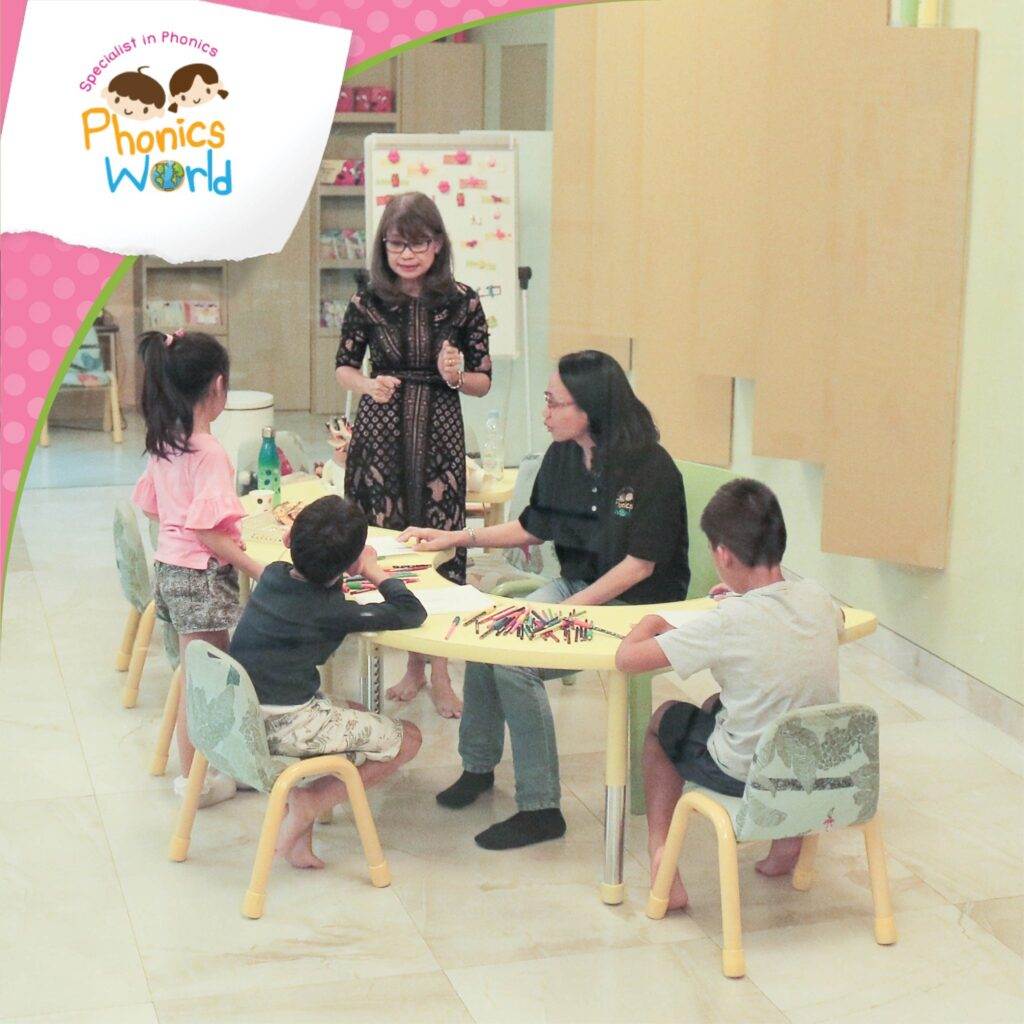
What Is Phonics?
Phonics is a method of teaching reading that focuses on the relationship between sounds and letters. In this approach, children are taught to recognize the sounds that make up words and to associate those sounds with specific letters or combinations of letters. Phonics programs often start with teaching the sounds of individual letters and progress to teaching children how to blend sounds together to form words.
How Does Phonics Work?
Phonics works by teaching children to recognize the sounds that make up words and to connect those sounds with specific letters or groups of letters. By doing so, children learn how to read and write words based on their sounds, rather than simply memorizing them as whole units.
Phonics programs often use a variety of techniques to teach children the sounds of individual letters and the rules for combining those sounds to form words. These techniques may include:
- Letter-sound correspondence: Teaching children the sounds associated with each letter of the alphabet.
- Blending: Helping children learn to blend individual sounds together to form words.
- Segmenting: Teaching children to break words down into their individual sounds.
- Decoding: Teaching children to use their knowledge of letter-sound relationships to sound out unfamiliar words.
- Sight word recognition: Teaching children to recognize common words by sight rather than sounding them out.
Why Is Phonics Important for Early Readers?
Phonics is a critical tool for children learning to read because it provides them with the skills they need to decode unfamiliar words. Without phonics instruction, children may struggle to sound out words they have never seen before, making reading a frustrating and difficult task.
Research has shown that phonics instruction can significantly improve reading skills in early readers. In a study conducted by the National Reading Panel, researchers found that phonics instruction had a positive impact on reading fluency, comprehension, and spelling.
Choosing a Phonics Program for Your Child
If you are interested in using a phonics program to help your child improve their reading skills, there are several factors to consider when choosing a program. Some key considerations include:
- Age-appropriateness: Phonics programs should be designed to meet the needs of children at different stages of development.
- Research-based: Look for a program that is grounded in research and has been shown to be effective.
- Teacher support: A good phonics program should provide teachers with the resources they need to implement the program effectively.
- Engagement: Look for a program that is engaging and interactive to keep your child motivated and interested.
Getting the Most Out of Phonics Instruction
While a phonics program can be an effective tool for improving reading skills, it is not a magic solution. To get the most out of phonics instruction, it is essential to supplement it with other reading activities, such as reading aloud to your child, encouraging them to read independently, and providing them with a variety of reading materials.
FAQs
- What age should children begin phonics instruction?
Phonics instruction can begin as early as preschool or kindergarten, depending on the child's readiness and development.
- Can phonics instruction help children with reading difficulties?
Yes, phonics instruction can be particularly helpful for children who struggle with reading, as it provides them with the skills they need to decode unfamiliar words.
- How long does it take for phonics instruction to show results?
The amount of time it takes for phonics instruction to show results can vary depending on the child's individual needs and the quality of instruction. However, research has shown that children who receive high-quality phonics instruction can see significant improvements in their reading skills within a few months.
- Are all phonics programs created equal?
No, not all phonics programs are created equal. It is important to choose a program that is research-based, age-appropriate, engaging, and provides teachers with the support they need to implement the program effectively.
- Can parents teach phonics to their children at home?
Yes, parents can teach phonics to their children at home, but it is important to use a research-based program and to supplement phonics instruction with other reading activities to provide a well-rounded approach to reading instruction.
- How can I tell if my child's phonics program is effective?
One way to assess the effectiveness of a phonics program is to monitor your child's progress over time. Look for improvements in their ability to decode unfamiliar words and read with fluency and comprehension. You can also ask your child's teacher for feedback on their progress and whether they are meeting benchmarks for their grade level.
- Can phonics instruction be used for teaching children with English as a second language?
Yes, phonics instruction can be helpful for children learning English as a second language, as it provides them with a systematic way to learn the sounds and letters of the English language.
- Are there any drawbacks to using a phonics program?
While phonics instruction is generally considered a highly effective tool for teaching reading, it is not a one-size-fits-all solution. Some children may benefit more from a whole language approach or a combination of different reading strategies. It is important to choose an approach that meets your child's individual needs and learning style.
- Can phonics instruction be used for teaching spelling as well as reading?
Yes, phonics instruction can be helpful for teaching spelling, as it provides children with a systematic way to learn the sounds and letter combinations that make up words.
- Are there any free phonics programs available?
Yes, there are several free phonics programs available online, including programs offered by the BBC and the Department of Education. However, it is important to research these programs carefully to ensure that they are research-based and effective.
- How much time should be devoted to phonics instruction each day?
The amount of time devoted to phonics instruction each day can vary depending on the child's age, developmental level, and individual needs. In general, younger children may require shorter, more frequent lessons, while older children may be able to handle longer, more intensive sessions. Consult with your child's teacher or a reading specialist to determine the appropriate amount of time to devote to phonics instruction.
- Are there any phonics programs specifically designed for children with dyslexia?
Yes, there are several phonics programs that have been specifically designed for children with dyslexia, such as the Orton-Gillingham approach. These programs typically provide a multisensory approach to phonics instruction, using visual, auditory, and kinesthetic learning techniques to reinforce letter-sound relationships.
- How can parents support phonics instruction at home?
Parents can support phonics instruction at home by providing their child with plenty of opportunities to practice reading and writing, reading aloud to their child, and providing a variety of reading materials. It is also helpful for parents to communicate regularly with their child's teacher to stay informed about their progress and provide additional support as needed.
- Can phonics instruction be used for teaching children with learning disabilities?
Yes, phonics instruction can be helpful for teaching children with learning disabilities, as it provides them with a systematic and structured approach to learning the sounds and letters of the English language. However, it is important to individualize instruction to meet the needs of each child and to provide additional support and accommodations as needed.
- How can phonics instruction be incorporated into a balanced literacy approach?
Phonics instruction can be incorporated into a balanced literacy approach by supplementing it with other reading strategies, such as whole language instruction, guided reading, and independent reading. By using a variety of instructional approaches, children can develop a well-rounded set of reading skills that will serve them well throughout their academic career.

Conclusion
In conclusion, phonics instruction is a powerful tool for helping children improve their reading skills. By teaching children the relationship between sounds and letters, phonics programs provide them with the skills they need to decode unfamiliar words and become confident, fluent readers. When choosing a phonics program for your child, be sure to consider factors such as age-appropriateness, research-based design, teacher support, and engagement. And remember, while phonics instruction is an important part of learning to read, it should be supplemented with other reading activities to provide a well-rounded approach to reading instruction.