Introduction to Speech Therapy & Phonics
Welcome to our comprehensive guide on incorporating phonics into speech therapy! If you've been searching for effective strategies to enhance language development and overcome speech challenges, you're in the right place. In this blog post, we will explore the exciting connection between speech therapy and phonics, how they work hand in hand to improve communication skills, and provide practical techniques and tools for all age groups.
What is Speech Therapy?
Speech therapy is a specialized field that focuses on diagnosing and treating various communication disorders. It aims to improve an individual's ability to produce clear and intelligible speech sounds, enhance language comprehension, develop expressive language skills, address voice disorders, fluency difficulties (such as stuttering), or even help with swallowing difficulties. The ultimate goal of speech therapy is to empower individuals with effective communication skills so they can confidently navigate their personal, academic, and professional lives.
What is Phonics?
Phonics is a method used in teaching reading that emphasizes the relationship between sounds (phonemes) and letters (graphemes). By teaching children how each letter or combination of letters represents specific sounds when spoken aloud ("cat" for /k/-/a/-/t/), phonics helps them decode words accurately while reading. This foundational knowledge plays a crucial role in developing strong literacy skills as it enables learners to recognize patterns within words efficiently.
The Connection Between Speech Therapy & Phonics
The connection between speech therapy and phonics is a powerful one. While speech therapy focuses on improving communication skills, phonics plays a crucial role in developing reading and writing abilities. Together, they form a comprehensive approach to language development.
Speech therapy helps individuals overcome speech disorders by targeting specific areas such as articulation, fluency, and voice production. By working with trained professionals, patients can strengthen their oral communication skills and build confidence in expressing themselves.
Phonics, on the other hand, teaches the relationship between letters (graphemes) and sounds (phonemes). It provides the foundation for reading and spelling words accurately. By learning phonics principles like letter-sound correspondences and decoding strategies, individuals can improve their reading comprehension skills.
The integration of speech therapy with phonics brings added benefits to language development. As children or adults receive speech therapy sessions that focus on articulation or sound production difficulties, incorporating phonics activities into these sessions facilitates the reinforcement of correct pronunciation while building literacy skills simultaneously.
By combining both approaches, individuals not only improve their ability to communicate effectively but also enhance their overall language acquisition process. The connection between speech therapy and phonics creates a synergistic effect that promotes holistic language development.
Disorders & Challenges Addressed
Speech therapy and phonics can be incredibly beneficial for individuals facing various disorders and challenges related to speech and language development.
One common challenge addressed by speech therapy is speech disorders, which can include difficulties with articulation, fluency, or voice production. Through targeted exercises and techniques, speech therapists help individuals improve their pronunciation, clarity, and overall communication skills.
In addition to speech disorders, many children also struggle with reading and phonics challenges. These difficulties can make it challenging for them to decode words, recognize letter sounds, or comprehend written text. By incorporating phonics into speech therapy sessions, therapists can assist these children in developing the foundational skills necessary for successful reading.
By integrating both speech therapy techniques and phonics teaching methods into treatment plans, a comprehensive approach to language development is achieved. This approach not only addresses specific challenges but also promotes overall improvement in communication abilities.
Individualized activities and games are often incorporated into sessions to engage learners while targeting specific goals. These interactive exercises provide opportunities for practice in a fun and engaging manner.
Overall, speech therapy combined with phonics offers a holistic approach that tackles various disorders such as articulation issues or reading challenges. By addressing these obstacles head-on through personalized techniques tailored to individual needs, both children and adults can overcome barriers to effective communication.
Speech Disorders
Speech Disorders can present significant challenges for individuals of all ages. These disorders can affect the ability to articulate sounds, form words, and communicate effectively. Children with speech disorders often struggle to be understood by others, which can impact their self-esteem and social interactions.
One common type of speech disorder is articulation disorder, where individuals have difficulty producing certain sounds or pronouncing words correctly. This can result in speech that is difficult to understand or may sound slurred. Another type of speech disorder is stuttering, characterized by repetitions or prolongations of sounds and syllables.
Children with speech disorders may also experience language delays or difficulties understanding and using spoken language. They may struggle with grammar, vocabulary, or following directions.
Fortunately, speech therapy offers effective strategies and techniques to help individuals overcome these challenges. Speech therapists work closely with clients to assess their specific needs and develop personalized treatment plans.
Through various exercises and activities, therapists target specific areas such as improving articulation skills, developing language comprehension abilities, increasing vocabulary knowledge, and enhancing overall communication skills.
By addressing these underlying issues through targeted therapy sessions tailored to individual needs - including incorporating phonics instruction - individuals with speech disorders can make significant progress in their ability to communicate effectively.
With professional guidance from a qualified therapist combined with consistent practice at home or in school settings using appropriate tools like worksheets or apps specifically designed for phonics improvement — children experiencing speech disorders can gain the confidence they need for successful communication!
It’s important for parents, caregivers, teachers—anyone involved in a child's life—to recognize the signs of a possible speech disorder early on so that intervention can begin as soon as possible! With timely support from experts who specialize in both Speech Therapy & Phonics instruction — children facing these challenges are well on their way towards improved communication skills—and ultimately greater success academically & socially!
If you suspect your child has a speech disorder—or if you're an adult struggling with your own communication difficulties—don't hesitate to reach out and seek professional help. Speech therapy combined
Reading & Phonics Challenges
Reading and phonics challenges can be common obstacles that many individuals face when it comes to language development. These difficulties can affect both children and adults, making it important to address them early on.
One of the main reading challenges is struggling with decoding words and recognizing letter-sound correspondence. This can make it difficult for individuals to read fluently and comprehend written text effectively. Phonics plays a crucial role in overcoming these challenges by teaching the relationship between letters and sounds, enabling learners to decode words accurately.
Another common challenge is poor phonemic awareness, which refers to the ability to identify and manipulate individual sounds in spoken words. This skill is essential for developing strong reading skills because it helps individuals break down words into their component sounds.
Difficulties with blending or segmenting sounds can also impact reading proficiency. Blending involves combining individual phonemes together to form a word, while segmenting requires breaking a word into its constituent sounds.
By incorporating phonics into speech therapy sessions, therapists can target these specific challenges through various techniques and activities. They can provide explicit instruction on letter-sound relationships using multisensory approaches such as visual aids, manipulatives, and auditory cues.
Furthermore, interactive games and exercises that focus on building phonemic awareness skills are highly effective in addressing reading challenges. These activities encourage individuals to listen attentively to sound patterns in words, helping them develop stronger decoding abilities.
In conclusion (as per instructions), integrating phonic principles within speech therapy sessions allows clinicians not only tackle speech disorders but also address concurrent reading difficulties faced by patients or students.
Overcoming Speech & Reading Barriers
Building strong language and literacy skills is crucial for children's overall development. However, many children face challenges in speech and reading that can hinder their progress. The good news is that with the right approach and support, these barriers can be overcome.
One common barrier is speech disorders, such as articulation difficulties or stuttering. These can affect a child's ability to communicate effectively and may lead to frustration or social isolation. By working with a qualified speech therapist who incorporates phonics into their sessions, children can learn techniques to improve their speech clarity and fluency.
Reading challenges are another barrier that many children encounter. Difficulties with decoding words or understanding phonetic patterns can make reading a daunting task. Through targeted phonics instruction, children can develop the necessary skills to decode words accurately and build vocabulary knowledge.
Integrating speech therapy with phonics instruction creates a comprehensive approach to addressing both speech and reading barriers simultaneously. This allows children to practice using correct sounds while also learning how those sounds correspond to letters and letter combinations in written language.
By providing engaging activities, games, and tools tailored specifically for individual needs, therapists help make learning enjoyable while reinforcing important concepts. Whether through interactive exercises during therapy sessions or fun worksheets at home, these resources encourage active participation in the learning process.
With consistent guidance from dedicated therapists who understand the unique needs of each child, remarkable progress becomes possible. Over time, parents witness their child's communication skills flourish as they gain confidence in expressing themselves clearly both orally and through reading.
In conclusion,
Overcoming speech and reading barriers requires a multi-faceted approach that combines effective techniques from both speech therapy and phonics instruction. By addressing these challenges head-on through targeted interventions tailored to individual needs, we empower our young learners on their journey towards improved communication skills
Techniques and Methods
The success of speech therapy and phonics instruction depends on using various methodologies. Speech therapy typically consists of articulation exercises, oral motor activities, language-building strategies, and fluency techniques. Phonics teaching revolves around helping individuals comprehend the connection between letters and sounds through systematic processes, such as explicit instruction, multisensory learning, repetition drills, blending and segmenting exercises. By integrating both practices together with interactive activities or technology tools like educational apps, children can receive effective reinforcement outside of their sessions. This combination should be used to provide an all-encompassing program that promotes strong language development – both orally and in reading/writing.
Speech Therapy Techniques
Speech Therapy Techniques are invaluable in improving communication abilities and addressing speech challenges. Articulation Therapy is used to teach individuals how to correctly move their articulators when forming sounds. Language Intervention Therapy helps with language development, such as increasing vocabulary and grammar skills. Fluency Shaping Techniques assist those who struggle with stuttering or fluency disorders by reducing tension in the speech muscles. Voice Therapy works to improve vocal quality and reduce excessive muscle tension during speech. Every individual's needs differ so it's important for therapists to provide personalized strategies suited to each person. Through this customized approach, tremendous progress can be made in developing effective communication skills!
Phonics Teaching Methods
Phonics teaching methods are essential for constructing solid reading and language abilities in children. By focusing on the relationships between letters and sounds, phonics provides a structured method of decoding words. Speech therapists can employ various strategies to use this approach in their sessions, such as the synthetic phonics approach which begins with educating single letter sounds then amalgamating them into words; or the analytic phonics approach that facilitates comprehension of common patterns among words or word groups. Dynamic activities that involve both vision helps, like flashcards or picture cards, plus auditory signals like rhymes or melodies, animate multiple senses which advances learning retention. Word games and interactive exercises also make learning pleasurable and reinforce phonic concepts; for instance, playing ‘I Spy’ using initial letter sounds or forming word puzzles can be pleasant ways to practice phonetic proficiency. Enhancing these approaches with tech tools broadens engagement and motivation; there are innumerable apps available with lively lessons and games to practice letter-sound correspondence. Utilizing these techniques assists speech therapists to assist children in developing strong foundational literacy skills through an inclusive strategy which incorporates speech therapy principles and phonetics instruction.
Integrating Speech Therapy with Phonics
When it comes to language development and increasing communication skills, combining speech therapy with phonics can be a powerful approach. Through this integration, people can not only refine their spoken language production, but also strengthen their reading and spelling proficiency.
Activities, Games & Tools
When it comes to improving language development, engaging activities, games, and tools that target phonics can be a great addition to any speech therapy session. These interactive methods not only make learning fun but also provide plenty of practice opportunities for mastering their pronunciation skills. Tongue twisters or sound repetition tasks are some of the activities therapists use to raise phonetic awareness, leading to improved articulation and clear communication. Additionally, utilizing worksheets and other resources helps develop reading skills alongside speech improvement. In this way, children learn how to recognize letter-sound relationships and blend sounds together to form words. There is also an abundance of technology-based solutions featuring both speech therapy exercises and phonics instructions that aid in language development progress. With all these enjoyable activities available, your child can sharpen their communication abilities while building a solid foundation for later reading success - all while having a good time!
Speech Therapy Exercises & Games
When it comes to speech therapy, incorporating engaging activities and technologies can make the learning process more enjoyable for children. For example, tongue twisters challenge these youngsters to pronounce difficult sounds and syllables, while playing "Simon Says" motivates them to develop listening skills and follow directions. Additionally, there are numerous apps available that contain interactive exercises such as word repetition, sentence formation, and phonics practice. All of these fun activities help children improve their speech skills while promoting language development in a holistic manner.
Phonics Activities & Worksheets
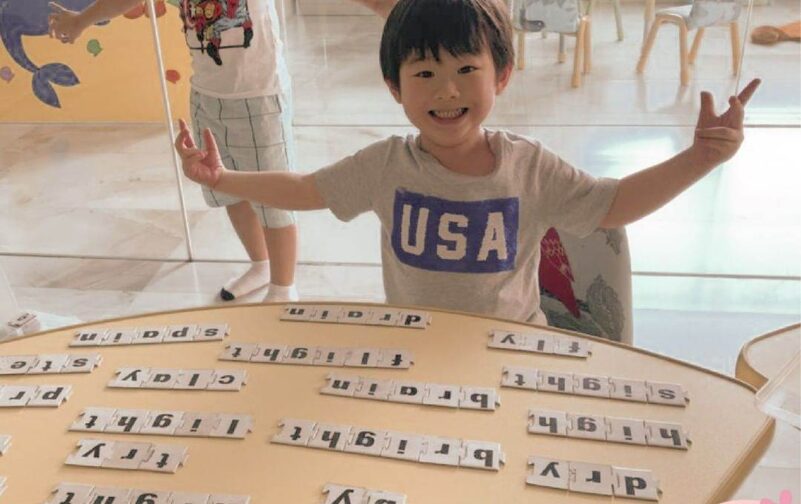
Phonics activities and worksheets are an excellent way to reinforce speech therapy techniques while promoting language development in children. Popular games like "Phonics Bingo" provide opportunities for practice and make learning fun by helping them associate sounds with letters. Worksheets that involve matching words with pictures also aid word recognition, decoding skills, and phonemic awareness. Incorporating hands-on manipulatives such as letter tiles or magnetic letters strengthens engagement and retention of new material. By combining these various engaging activities into speech therapy sessions, we can give kids a memorable learning experience!
Apps & Tools for Speech & Phonics Improvement
From Speech Blubs, which uses engaging videos and exercises to improve speech skills, to Phonics Hero’s online platform for comprehensive phonics instruction, there’s something for everyone. Additionally, Sounds-Write leverages explicit phonetic instruction to build literacy skills in older students or adults. For those on the go, apps like Articulation Station and Speech Sound Pics Approach provide convenient access to valuable resources.
For Different Age Groups
Age-specific instruction is essential for successful language development. For toddlers, basic speech sounds can be taught through playful activities such as "Simon Says" or by reading picture books with repetitive sounds. Older children can benefit from worksheets focusing on letter-sound correspondence or word-building drills to strengthen their understanding of sound-symbol relationships. Meanwhile, those with a strong foundation in speech sounds may take their skills up a notch with advanced phonics activities exploring complex spelling patterns or decoding strategies through fun online tools or apps. No matter the age group, it's important to recognize and address specific needs while cultivating overall language growth. Ultimately, it's important to remember: every individual has unique strengths and areas for improvement when it comes to speech therapy and phonics education!
Speech & Phonics for Toddlers
Toddlers are like sponges when it comes to absorbing information and stimuli from their environment, making now an ideal time to introduce speech therapy techniques and phonics. Focusing on play-based activities to engage children while developing articulation, vocabulary, and overall communication skills alongside teaching the relationships between letters and sounds for reading and pronunciation; parents can capitalize on their child's readiness to retain these skills. Although language development among toddlers may vary in terms of pace, providing early intervention this way is crucial in contributing to a young one's success.
Speech & Phonics for Children
The use of speech therapy methods and phonics teaching strategies can greatly enhance a child's language development. Speech therapists provide interactive activities such as storytelling, games, and rhymes that target specific sounds or concepts to keep children engaged. Phonics introduces the relation between letters (graphemes) and sounds (phonemes) to facilitate accurate decoding of words. Utilizing phonics-based storybooks also allows practice with speech sounds in an engaging context while boosting word recognition abilities. Tailoring instruction to each individual's needs is critical for successful results; progress evaluations ensure that goals are being met appropriately. An integrated approach combining speech therapy and phonics offers an ideal foundation for developing strong communication skills in young learners.
Advanced Phonics for Older Kids
When it comes to older children, speech therapy can benefit significantly from incorporating advanced phonics. Building on the basics they already know, this approach allows them to delve further into understanding more complex sound patterns and rules. Engaging activities— word sorts, decoding puzzles and word-building games just to name a few— can help make learning fun while reinforcing the concepts. Furthermore, multisyllabic word decoding enables these kids to expand their vocabulary as well as improve their reading comprehension and fluency. Sight words are also introduced alongside phonetic principles to complete an all-encompassing approach. By using advanced phonics tailored for the specific needs of older children, speech therapy opens up a world of possibilities towards attaining greater language skills and improved communication abilities. Let's embrace this journey together!
Success Stories, Testimonials & Case Studies
Witnessing the remarkable power of speech therapy and phonics instruction is truly inspiring. Countless success stories, testimonials, and case studies have demonstrated how profoundly these approaches can positively impact language development.
Parents' Experiences with Speech Therapy & Phonics
When it comes to children's speech and reading development, parents play an important role. One parent, recounted her son's growth after receiving phonics-based therapy: as he acquired the sounds associated with letters and words, she saw his communication skills improve drastically. Another parent also spoke about how his daughter's motivation increased after mixing formal sessions with interactive activities at home. These experiences emphasize the impact of combining speech therapy techniques and phonics instruction tailored to a child’s unique needs. Parents are thankful for this holistic approach which builds fluency and self-confidence, enabling their kids to become strong communicators.
Therapists' & Teachers' Insights
and being up-to-date on research & practices. Ultimately, their expertise makes a significant difference in the language development of their students or patients by creating a supportive learning environment and providing personalized support and guidance.
Students' & Patients' Journeys
At phonics world Indonesia, we are honored to participate in our student's or patient's stories of success. We understand that the progress they make is a result of unwavering determination combined with support from parents/guardians/caregivers and therapists/teachers alike. And so, we rejoice at every accomplishment and milestone achieved – from the first few sounds uttered to reading complex texts with ease.
Contact / Enroll in Classes & Sessions
If you or your child could benefit from speech therapy and phonics instruction, it is essential to take action. Explore the many options available, such as individual sessions or group classes provided by local speech therapists who specialize in language development and phonics. In-person or online sessions can be arranged. Additionally, schools may have programs offering speech therapy services. Don't forget to ask questions during this process, as building a strong rapport with the therapist or instructor is key for successful learning. Speech therapy and phonics education together allow individuals of all ages comprehensive growth in language development; spoken communication and reading abilities being addressed simultaneously. Make that first move towards improving communication skills today - Phonics World Indonesia can help improve your child's speech development, schedule a discovery session to learn more